COP31 conference collapses, ends without major agreement
Published: 12:06 PM, 23 November 2026
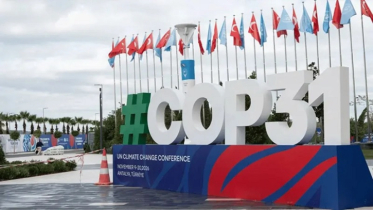
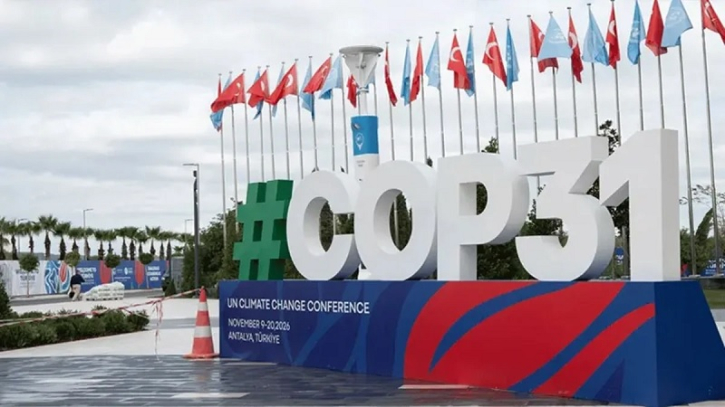
The United Nations climate conference (COP31) in Antalya, Turkey, ended without any significant new agreements. Participating countries were unable to reach a consensus due to deep disagreements over fossil fuels and climate finance.
The conference was supposed to end last Friday after two weeks of talks. But efforts to reach an agreement continued until Sunday, making it the longest climate summit in UN history.
Deep disagreements arose among the countries participating in the conference, mainly on fossil fuels and climate finance.
Several countries, including Saudi Arabia, Russia, and India, opposed the mention of fossil fuels in the final draft.
On the other hand, several parties, including the European Union (EU) and Pacific Island countries, rejected the final draft because it did not mention fossil fuels.
The last time the main political agreement of the COP conference collapsed in this way was in 2009, in Copenhagen, Denmark.
UN Secretary-General Antonio Guterres expressed deep disappointment at the incident. This is his last COP conference before leaving office as UN Secretary-General. He strongly criticized the influential circles related to fossil fuels.
Guterres said that these groups are following the tactics of big tobacco companies. They are distorting scientific data. They are delaying policymaking. They are preventing effective action. These groups are making huge profits. But ordinary people around the world are paying the price.
A new draft agreement was presented to delegates early Sunday after two weeks of negotiations. The first draft, published on Monday, contained the phrase "fossil fuels" six times, but oil-producing countries objected.
In the end, the final draft contained no mention of 'fossil fuels'. There was only an indirect reference to coal, oil and gas in a decision taken at the 2023 COP28 conference.Irish Minister Dara O'Brien, who represented the European Union at the conference, opposed the final draft, saying there was no way to accept a climate agreement that made no mention of fossil fuels.
Representatives from Pacific island nations have also expressed disappointment with this year's conference.
Saudi Arabia's representative, Mohammed Ayoub, argued for their position, saying that historically, Arab countries have contributed little to total greenhouse gas emissions.
The chairman of the African negotiating group said that the debate over fossil fuels has derailed discussions on financing climate adaptation for developing countries, which poor countries need to adapt to the impacts of climate change.
Source: BBC