Netanyahu desperate to stay in power, Israel in turmoil
Published: 01:44 PM, 20 November 2026
Since the October 27 election, Israel's caretaker Prime Minister Benjamin Netanyahu has been under pressure from the opposition and has questioned the results of the vote. If an opposition coalition led by Gadi Eisenkot is able to form a government, the longtime leader could be forced to step down.
The opposition coalition may seek help from Arab parties representing Israel's Palestinian citizens to form a government. Netanyahu is using this opportunity to discredit Arab parties and make baseless allegations of election fraud. According to analysts, his behavior is threatening civil war among right-wing protesters. Critics claim that he is deliberately trying to start a war with Iran to stay in power.
Meanwhile, the Shin Bet intelligence agency, led by Netanyahu's close confidant David Zinni, had sought permission to wiretap the phones of five Arab lawmakers and arrest politicians of Palestinian origin on election day on suspicion of foreign interference. The attorney general refused permission. Opposition leaders Yair Lapid and Youssef Jabarin called the incident an "attempted coup." Police are also investigating whether the prime minister's office fabricated a false allegation of vote-buying.
Analysts believe that Netanyahu's reputation and independence would be at great risk if he loses power. There are growing calls for a state investigation into the government's negligence before the Hamas attack on October 7, 2023. In addition, he has been on trial since 2019 in three corruption cases for bribery, fraud and breach of trust, which have repeatedly stalled as he continues to hold the prime minister's post. If convicted, he could face up to 10 years in prison. Aharon Bregman, an analyst at King's College London, said that losing would increase Netanyahu's personal danger, because the prime ministership is his shield.
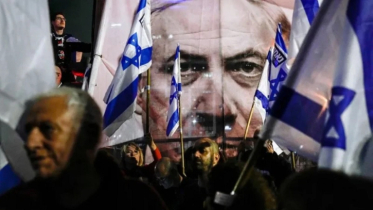
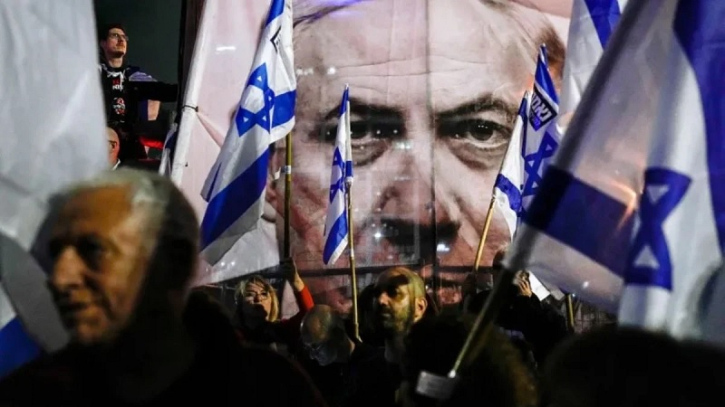
The tensions have raised fears of violence in Israel. After the vote, right-wing protesters gathered in front of Eisenkot's house, calling him a "traitor" and urging him not to form an alliance with Arab parties. Even Rabbi Gedalia Axelrod, the former head of the rabbinical court in Haifa, cited the religious rule of "Din Rodef" in an open letter - the same argument used in the assassination of former Prime Minister Yitzhak Rabin in 1995. According to left-wing MP Ofer Kassif, the delay in forming a government could lead to further violence.
Chatham House expert Yossi Mekelberg believes that Netanyahu is now fighting for his own survival. He has no time to think about his reputation or what has happened to the people around him.