Trump will pressure allies to pay for the cost of the Iran war, how effective will it be?
Published: 10:39 AM, 13 November 2026
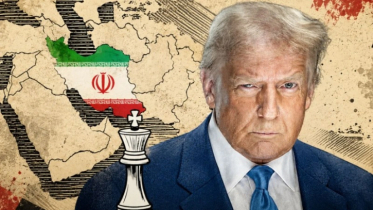
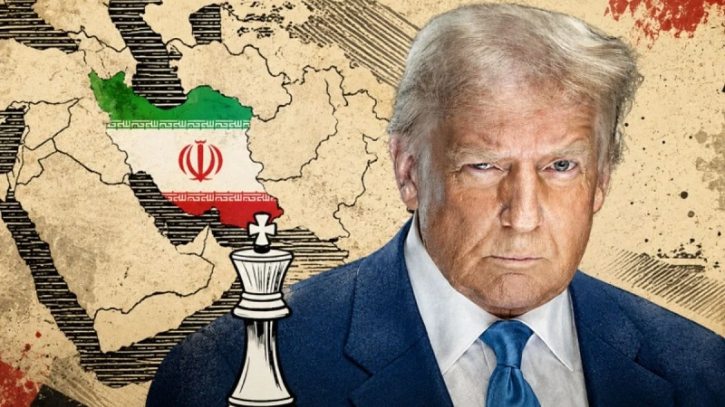
US President Donald Trump has been in the news for his comments despite the Republican Party's dismal defeat in the midterm elections. This time, he has announced plans to recover the money spent by the US on the war against Iran from allies that receive military protection from the country.
In a recent interview with CBS News, Trump said that the countries involved should pay for the money the United States spent on the Iran war, according to a report by Qatar-based media outlet Al Jazeera on Tuesday (November 11).
Previously, the US president had acknowledged public discontent over the Iran war as one of the reasons for his defeat in the election.
"Those countries will have to pay for everything we've spent on the war," Trump said in an interview with CBS News correspondent Ross Douthat.
He added, "We will take back all the money. They will definitely give it back, 100 percent. Because without us, they would not exist."
Trump claims that if the United States had not intervened militarily, Israel's very existence would have been threatened.
Which countries does Trump want compensation from?
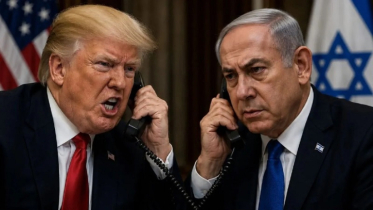
This is the first time Trump has directly mentioned Israel by name in the context of bearing the costs of the war. He claims that the United States has destroyed Iran's nuclear arsenal. Israel would have been completely wiped out if Washington had not taken military action.
He had previously said he would also recover the costs of the war from Gulf countries that benefit from the US military presence around the Strait of Hormuz, where US forces are working to ensure the safety of shipping.
At a press conference in July, Trump said that the United States is spending a lot of money to protect one of the richest regions in the world, so Washington should pay back the cost of ensuring their security.
In this case, he mentioned the names of Saudi Arabia, the United Arab Emirates, Qatar, Bahrain, and Kuwait.
How much is the US spending on the Iran war?
According to the US military, the US cost of the Iran war exceeded $47.1 billion as of mid-October. However, the actual cost may be higher because the cost of repairing damage to US military bases in the Middle East is not included in this calculation.
According to an estimate by the US Congressional Budget Office last September, the war will cost an additional $2 to $3 billion per month as long as it continues.
Will Trump really demand compensation from allies?
Analysts believe that the likelihood of directly collecting war reparations from allies is very low. According to them, Trump's statement should be seen as a political message rather than a real policy decision.
Neil Quilliam, associate fellow in the Middle East and North Africa program at Chatham House, told Al Jazeera that Trump's statement should be considered a political message rather than a policy proposal.
According to Bader Al-Saif, assistant professor in the history department at Kuwait University, Gulf countries will not attach much importance to Trump's statement.
On the other hand, Stefan Lucas, a Middle East and North Africa security and foreign policy analyst, believes that Trump is trying to shift the blame after his election defeat onto others. His recent statements are also part of that effort.
Lucas said the likelihood of extracting large amounts of compensation from the United States' Arab allies in the Middle East is very low.
However, he believes that the situation may be different in the case of Israel. Trump may reduce US aid to the country, even if he does not demand direct compensation. He has already said that Washington will not send any more aid to Israel after this year.
According to Lucas, Trump believes that Israel forced him to go to war with Iran.
How can the cost of war be met?
Analysts believe that Trump may take an alternative strategy to demanding compensation, rather than directly demanding money. Among these, existing trade agreements with allied countries and their investment in the United States may be important.
According to Farid Busaid, an assistant professor of Middle Eastern politics at the University of Amsterdam, Washington could pressure Gulf countries to invest more in the United States, which could then be presented as war reparations.
Trump has previously made misleading claims about foreign investment and trade deals, often portraying these investments as money or gifts to the United States.
What might be the allies' reaction to Trump's demands?
The Gulf states claim that they were not informed in advance about the plan to attack Iran. These countries have already suffered major economic losses due to the war. In such a situation, analysts believe that it is unlikely that they will take the matter well if they are asked for huge amounts of money again.
Chatham House's Neil Quilliam said Gulf leaders would likely silently oppose direct demands for compensation.
He said that Gulf countries are already making significant contributions to ensuring regional security through defense cooperation, investment, and economic partnerships with the United States.