Consumer prices increased 0.4% in October, higher than expected
Published: 02:16 PM, 10 November 2026
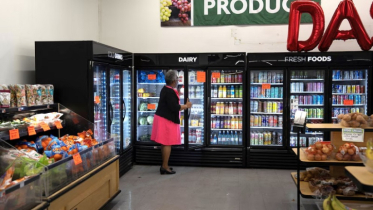
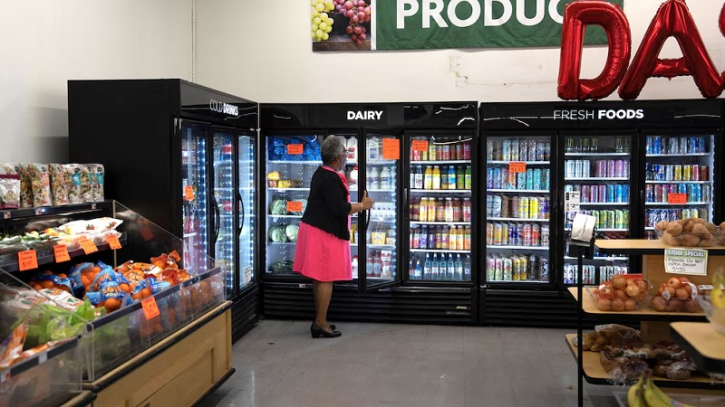
A customer reaches into a refrigerator at Dash Food Market in Jackson, Mississippi, November 7, 2026.
Consumer prices rose more than expected in October, according to a government report released on Tuesday.
Prices rose 0.4% in October, exceeding economists' expectations of 0.3%. Still, inflation slowed on a monthly basis from September, when prices climbed 0.6%. The monthly increase in October matched the rise in August.
The report, however, is missing a key data point: the change in prices compared to a year ago. That figure, which usually draws close scrutiny, cannot be calculated because the U.S. Bureau of Labor Statistics (BLS) did not publish an inflation report last October amid the government shutdown.
Prices for shelter increased 0.3% in October, accounting for more than 30% of the overall monthly rise in prices, the BLS said.
The index for energy increased 0.7% on a monthly basis in October, cooling off from a 5.2% jump in September.
The Iran war drove up gasoline prices and catapulted annual inflation to a three-year high in the spring. Inflation eased over the summer, but continued unrest has kept price increases well above pre-war levels.
Prices increased 3.7% over the year ending in September, the most recent month for which annual inflation data is available. In August, annual inflation was 3.4%. The annual inflation rate currently stands more than a percentage point above the Federal Reserve's target rate of 2%.
Congress returns for crowded lame-duck session as Hegseth impeachment, government funding deadline loom
Fuel prices have accounted for a sizable share of overall inflation in recent months. Gas prices jumped more than 9% in September from August, accounting for more than half of the overall price increase last month, the most recent month on record, the BLS said.
A cooldown in oil prices since the midterm elections has put downward pressure on gasoline prices, leaving the national average price of a gallon of gas below $4 as of Monday, GasBuddy data showed. The relief at the pump in recent days did not appear in the report on Tuesday, however, since it details prices in October.
The fresh data arrived at a delicate moment for the central bank, where policymakers are weighing a rate increase that could help tackle inflation but risks a slowdown in hiring.
A stronger-than-expected jobs report last week may ease possible concern among central bankers about a cooldown for the labor market.A customer uses a credit card to pay at the pump at a Mobil gas station in Los Angeles, California, on October 30, 2026.
Employers added 165,000 jobs in October, well above an average of 48,000 jobs added each month over the previous year, BLS data showed.
If the Fed were to issue a rate increase at its next meeting in December, the decision would mark the central bank's second rate hike in four months, after it had gone three years without raising rates.
The combination of elevated inflation and a resilient labor market prompted the Fed to raise interest rates a quarter of a percentage point in September. That rate increase intends to help cool off inflation by slowing the economy and eating away at demand, though such a policy move typically yields results after a lag time lasting several months.
Policymakers may lose patience as they weigh whether the current level of interest rates is high enough to ease price hikes. The odds of a quarter-point rate hike at the Fed's next meeting are pegged at about 82%, according to CME Group's FedWatch Tool, a measure of market sentiment.
Days before the midterm elections, Fed policymakers opted to hold interest rates steady as they await further economic data. Still, Fed Chair Kevin Warsh vowed to cool off inflation.
"It’s our responsibility to get inflation down," Warsh said at a press conference in Washington, D.C.